Gifts for Remote Employees: How to Ship Gifts to a Distributed Team
How to reach every remote employee with the same gift experience, without a spreadsheet of home addresses.

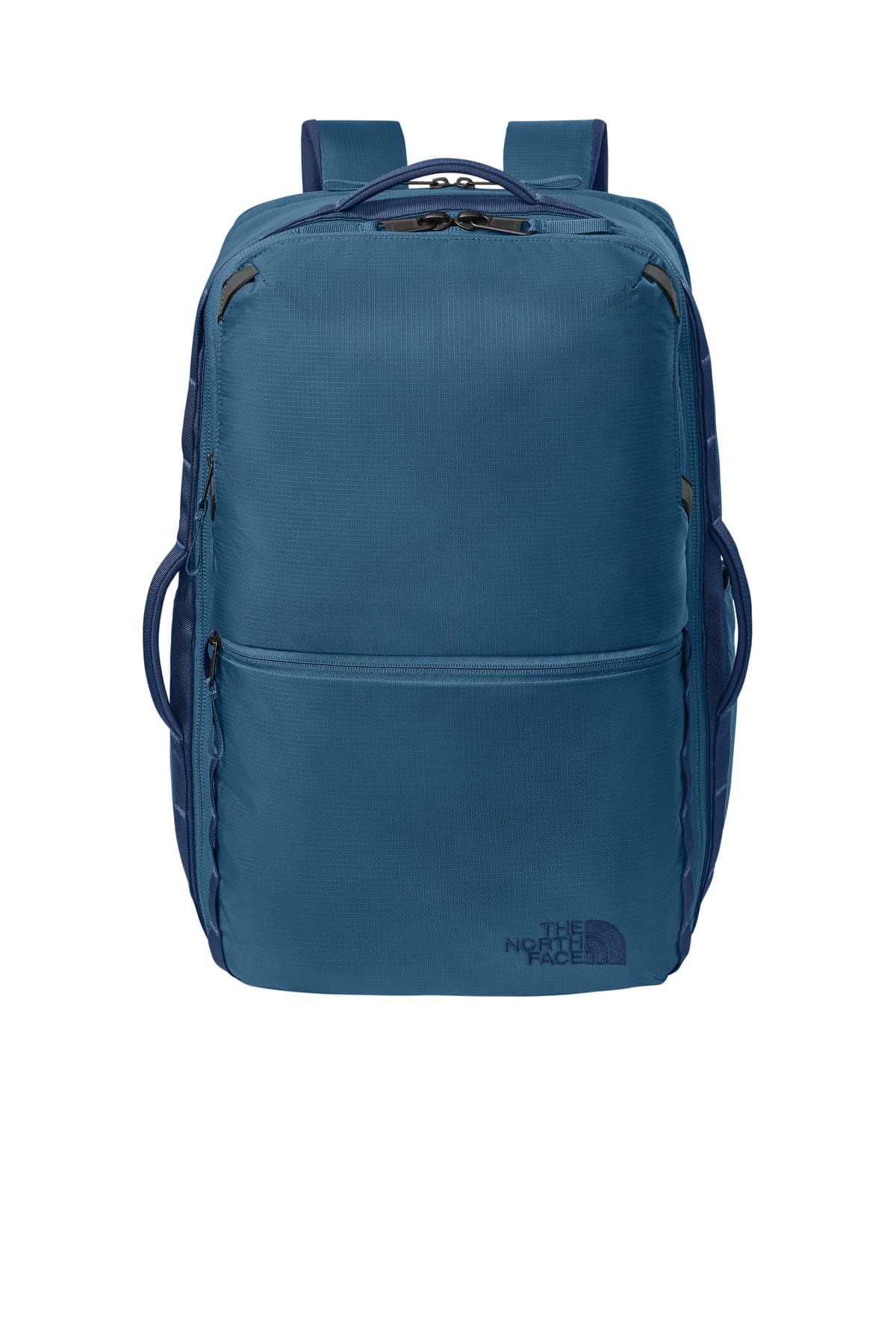
To send gifts to remote employees, give each person one link where they choose their gift and enter their own shipping address, then ship every gift individually with tracking. That removes the most sensitive step, an HR spreadsheet of home addresses, and gives every employee the same experience whether they work in the office, at home or three time zones away.
This guide covers the main ways to ship gifts to a distributed team, how to handle addresses and privacy, how to keep gifts fair across locations, what changes when someone lives outside the US, and how to time and present the gift. For what to give, see our guide to corporate gifts for employees.
What Are the Ways to Send Gifts to Remote Employees?
There are five common ways to send gifts to remote employees: bulk-ship to an office and re-ship, collect addresses and mail one gift, send gift cards, run a gift-choice link, or keep an always-on company store. They differ most in who handles addresses, whether people get a gift they want, and how much work lands on HR.
| Approach | Pros | Cons |
|---|---|---|
| Bulk-ship to an office, then re-ship | One delivery to receive and check; useful when most people are on site | Someone has to repack and relabel every remote gift; remote staff receive theirs last |
| Collect home addresses, mail the same gift to everyone | Simple to explain; one product to brand | Survey chasing, a spreadsheet of home addresses to protect, guessed sizes and gifts people don't want |
| Gift cards or e-gift codes | Arrive instantly by email; no shipping or customs | Nothing branded to keep; easy to forget; taxable as wages at any amount |
| Gift-choice link (online pop-up shop) | Each person picks a gift and enters their own address; individual shipping; branded experience | Needs a curated selection and a set open-and-close window |
| Always-on company store | Covers year-round moments such as onboarding and anniversaries | Needs ongoing ownership; more than a single holiday program requires |
For most distributed teams, the gift-choice link answers the two hard questions at once: what to send and where to send it. We compare cards and choice in detail in gift cards vs. a gift-choice shop, and the tax side in are employee gifts taxable.
How Do You Send a Gift Without Collecting Home Addresses?
You send a gift without collecting home addresses by letting each recipient enter their own shipping details at the moment they choose the gift, so the address goes straight to fulfillment and never sits in an HR spreadsheet. The employee decides where it goes: home, a co-working space, a relative's house for the holidays.
That matters because a home-address list is sensitive personal information. The Federal Trade Commission's guide for businesses puts it plainly under its "Scale Down" principle: if you don't have a legitimate business need for sensitive personally identifying information, don't keep it, and if you do, keep it only as long as necessary. A gifting survey exported to a shared drive tends to outlive the program it was built for.
A link-based approach also removes the slowest parts of remote gifting:
- No chasing. People who haven't responded get a reminder from the shop, not a third email from HR.
- No stale data. Employees who moved since onboarding enter where they live now.
- No guessed sizes. Apparel is chosen in the right size and color by the person who will wear it.
Before launch, ask any vendor who can see recipient addresses, how long they are kept and how the order details reach your team.
How Do You Keep Remote Gifts Fair Across Locations?
Remote gifts are fair when every employee gets the same value, the same choice and roughly the same arrival window, wherever they work. The usual failure is not the budget; it's that office staff get their gift at the party and remote staff get theirs two weeks later, or not at all.
- One budget per tier, not per location. Set the value by role or program, then give everyone in that tier the same selection.
- One list, checked twice. Reconcile the recipient list against payroll so part-time, field and newly hired staff aren't missed.
- Choice over guesswork. A selection that includes home-office, outdoor and travel items works for a city apartment and a rural home alike.
- Same moment, not just same gift. Open the shop to everyone on the same day, including people in the office.
Our corporate gift budget benchmarks help size each tier, and why you should let employees choose their gift explains why choice reduces waste for distributed teams in particular.
Can You Send Gifts to Remote Employees in Other Countries?
Yes, but international gifts add customs paperwork, possible import duties and longer transit, so plan them separately from domestic shipments. USPS, for example, requires a customs form on almost everything sent from the US to another country, and each destination country sets its own rules on what is charged at the border.
The question that matters most for a gift is who pays those charges. Two shipping terms come up:
- DDP (Delivered Duty Paid): under the Incoterms rules, the seller handles and pays for import customs formalities, including duties and taxes. The recipient gets the package with nothing to pay.
- DAP (Delivered at Place): the seller delivers to the destination, but the buyer manages and pays for import clearance. For a gift, that can mean the employee receives a bill before the box is released.
You will still see the older label DDU (Delivered Duty Unpaid) on shipping quotes. It is not one of the current Incoterms 2020 rules, but carriers and vendors often use it informally to mean the recipient pays. For an employee gift, a duties bill on arrival undoes the gesture, so ask how duties are handled before you include anyone abroad.
Fairness gets harder across borders too. Duties, longer transit and brand availability vary by country, so the same gift can cost more to land and arrive later. With Idea Tree, international shipping can be arranged case by case; ask your gifting expert early, because it changes the timeline and sometimes the selection.
When Should You Send Gifts to a Remote Team?
Send gifts to a remote team early enough that every person can choose and receive theirs before the occasion, which for branded gifts means working back from production and carrier deadlines, not from the date of the party. Remote recipients add one more step that office gifting doesn't have: the time each person takes to open the link and pick.
A simple sequence:
- Fix the recipient list and budget tiers.
- Approve the curated selection and the branding.
- Open the shop with a clear choose-by date, and send one reminder before it closes.
- Leave room for production and ground shipping to the farthest addresses.
- Hold the virtual celebration after most gifts have landed, or open the shop during it.
For the holidays, Idea Tree's 2026 cut-off is December 5: branded orders placed by then arrive before Christmas. If you are past that, our last-minute corporate holiday gifts guide has the 2026 carrier deadlines and late-season options. Also check team calendars, since a gift delivered to an empty home during a vacation week can sit on a porch.
How Do You Make a Shipped Gift Feel Personal?
A shipped gift feels personal when the recipient chose it, the brand on it is restrained, and a short note says why it was sent. Remote employees don't see the gift table or hear the toast, so the box has to carry that message on its own.
- A real product people know. Brands such as Patagonia, YETI, Stanley or Bose signal care in a way generic merchandise doesn't.
- Subtle branding. A tone-on-tone logo gets used at home; a loud one goes in a drawer.
- A note in plain words. Two or three sentences from a leader, specific to the year, beat a generic greeting.
- Tracking for the recipient. People working from home like to know when a box is coming.
Placement and decoration choices are covered in our guide to corporate gifts with a logo, and wording ideas for the note are in our holiday gift messages guide.
How Do You Pair Remote Gifts With a Virtual Event?
The simplest way to pair gifts with a virtual event is to open the gift shop during the event itself, so everyone chooses at the same moment and the gift becomes part of the celebration rather than a box that turns up later. It works for holiday parties, all-hands meetings, team milestones and Employee Appreciation Day.
- Reveal, don't ship ahead. Share the link live on screen; people browse and choose while the call is still running.
- Mind the time zones. Schedule the call for a reasonable hour across regions, and keep the shop open long enough for anyone who missed it.
- Record the thank-you. A short message from leadership can be replayed by people on other shifts.
- Mix in the office. For hybrid teams, an on-site station for people in the room and an online shop for everyone else gives one experience.
For seasonal planning, see our guides to corporate holiday gifts and Employee Appreciation Day 2027.
How Does a Gifting Pop-Up Shop Work for a Distributed Team?
A gifting pop-up shop gives a distributed team one branded link: each person opens it, picks a gift from a curated selection and enters their own address, and every gift ships individually. HR shares a link instead of managing a spreadsheet, and remote and office staff go through exactly the same steps.
With Idea Tree Engagement, it starts with a 15-minute call. We send you a link where you upload your logo and within minutes see it on real products. The AI platform builds the shortlist and the store from 200+ premium brands, and a dedicated gifting expert curates the final selection with you. Once we have your brief and your logo, your shop is live within 24 hours. Idea Tree handles branding, sourcing, fulfillment and individual shipping across the US, and you receive one consolidated invoice.
For recurring moments such as onboarding kits and work anniversaries, an always-on company store can sit alongside your seasonal programs. Read more about corporate gifting pop-up shops or see how it works.
Gifts to employees can be taxable, and international shipments carry customs obligations. This guide is general information, not tax or legal advice; confirm your program with your advisor.
Frequently Asked Questions
What is the best gift for remote employees?
The best gift for remote employees is one they choose themselves from a curated selection of quality brands, shipped to the address they pick. Choice handles differences in home setup, climate and taste that a single product cannot, and it avoids guessed apparel sizes.
How do I get remote employees' addresses for gifts?
You don't have to. With a gift-choice link, each employee enters their own shipping address when they pick their gift, so the address goes directly to fulfillment. HR doesn't need to run a survey or keep a spreadsheet of home addresses.
Are gift cards a good gift for remote employees?
Gift cards are fast to send, but they leave nothing branded to keep and are treated by the IRS as taxable wages at any amount. Many teams prefer a tangible gift the employee chooses. Confirm the tax treatment of any program with your payroll provider.
Who pays customs duties on a gift sent to an employee abroad?
It depends on the shipping terms. Under DDP (Delivered Duty Paid), the sender handles and pays import duties and taxes. Under DAP (Delivered at Place), or the older informal label DDU, the recipient pays. For employee gifts, ask how duties will be handled before shipping.
How far in advance should I plan gifts for a remote team?
Plan several weeks ahead for branded gifts, because you need time for approval, for each person to choose, for production and for ground shipping to the farthest address. For Christmas 2026, Idea Tree's branded-order cut-off is December 5.
Sources
- De minimis fringe benefits — IRS
- Protecting Personal Information: A Guide for Business — Federal Trade Commission
- Incoterms 2020: DAP or DDP? — ICC Academy
- Know Your Incoterms — International Trade Administration (trade.gov)
- Customs Forms — USPS
Trusted by law firms including Fish & Richardson, Weil, Gotshal & Manges and Bradley.