Pop-Up Gift Shop vs. Company Store: What's the Difference?
A side-by-side look at the two branded store formats, the occasions each one fits, and how they work together.

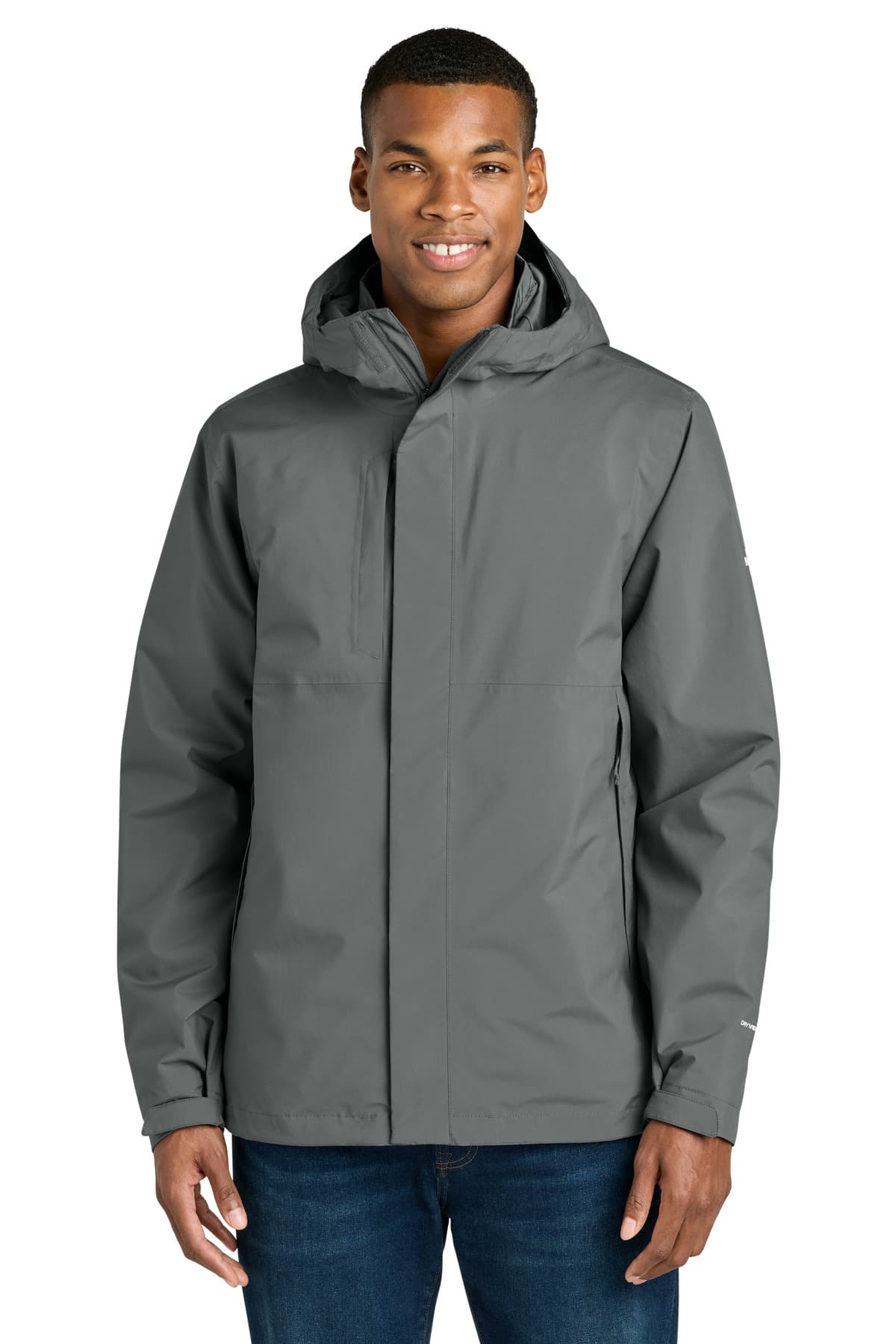
A pop-up gift shop is a branded store that opens for a set window around one occasion, where each recipient picks a gift the company has already paid for. A company store is an always-on storefront for branded items, such as apparel, new-hire kits or fundraising merchandise, funded by the company, by employees, or both.
Both formats put a branded catalog behind one link, which is why they get confused. They solve different problems, though. This guide compares them side by side, covers when each one fits, explains how taxes differ depending on who pays, and shows how many companies run both. For a deeper look at the first format, see our complete guide to corporate gifting pop-up shops.
What Is a Pop-Up Gift Shop?
A pop-up gift shop is a temporary, branded online (or on-site) store built for one gifting moment: recipients get one link, choose one gift within a budget the company has set, enter their own shipping address, and the store closes when the program ends.
The company pays for every gift, so recipients never see a price or a checkout total. What they see is a short, curated selection with the company's logo on real products, plus size, color and style options. That choice is the point: instead of one item for everyone, each person picks something they will actually use. The shop also removes two of the slowest steps in corporate gifting, collecting sizes and collecting addresses.
Pop-up shops are built around a date: the holidays, Employee Appreciation Day, a client thank-you, a conference, a milestone cohort. They can also run at an event, where guests choose in person and gifts ship to their homes.
What Is an Online Company Store for Employees?
An online company store for employees is a standing, branded storefront that stays open year-round, where employees (and sometimes clients, partners or supporters) order company-branded items whenever they need them.
Company stores are built for repeat needs rather than one moment. Typical catalogs include branded apparel and uniforms, new-hire essentials, items for trade shows and sales teams, and merchandise sold to raise money for a cause. The catalog is usually larger than a gift shop's, it changes over time, and the store needs ongoing rules: who can log in, how orders are paid for, which items need approval and how reorders happen.
Funding varies more than in a pop-up shop. Some companies give employees an allowance or credits to spend, some have employees pay for their own orders, and many combine the two, for example a set number of required items covered by the company plus optional extras employees buy themselves.
Pop-Up Shop vs. Company Store: How Do They Compare?
The core difference is time and funding: a pop-up shop is a short, company-paid program for one occasion, while a company store is a long-running storefront for recurring needs that can be paid for by the company, by the people ordering, or both.
| Pop-up gift shop | Company store | |
|---|---|---|
| Duration | A set window around one occasion, then it closes | Always on, open year-round |
| Budget model | One per-person budget (or one per tier) set up front | Allowances, credits, employee purchases, or a mix; spending runs over time |
| Who pays | The company pays for every gift; recipients see no prices | The company, the person ordering, or both |
| Inventory | A short curated selection, sized to what people choose | A broader catalog, either stocked ahead or made to order, with reorders |
| Who uses it | A defined list: employees, clients, event guests | Employees with access, sometimes partners or public supporters |
| Typical uses | Holiday gifts, appreciation, client thank-yous, events, milestone cohorts | Uniforms and apparel, merch, new-hire kits, fundraising, ongoing recognition |
| Setup | Brief, logo, selection and approval; built for a fixed launch date | Also needs access rules, ordering policies and a reorder plan |
| How it ends | Orders ship individually and the store closes | It keeps running; the catalog is refreshed over time |
A quick rule of thumb: if the question is "what do we give everyone for this occasion?", you want a pop-up shop. If the question is "where do our people get branded items whenever they need them?", you want a company store.
When Should You Use a Pop-Up Gift Shop?
Use a pop-up gift shop when you are giving one gift to a defined group, for a specific occasion, by a specific date, and you want each person to choose rather than receive the same item.
- Holiday gifts. One link replaces a spreadsheet of sizes and home addresses, and it reaches remote and on-site staff the same way. See our corporate holiday gifts guide.
- Client thank-yous. A curated selection with your logo feels considered, and clients pick something they want. Check any recipient gift policies first.
- Events and conferences. Guests choose online or at an on-site shop, and nothing has to be carried home. Our event and conference gift ideas cover what tends to work.
- Distributed teams. Each person enters their own address, so the gift arrives at home wherever they are. More in our guide to gifts for remote employees.
- Recognition moments. Appreciation days, project wins or a milestone cohort, where one budget applies to everyone in the group.
If you are weighing a shop against a gift card for the same occasion, our comparison of gift cards vs. a gift-choice shop walks through the trade-offs.
When Is a Company Store the Better Fit?
A company store is the better fit when the need repeats throughout the year, when employees order different items at different times, or when people other than the company pay for some of what they order.
- Uniforms and branded apparel. Teams that wear the brand at work, at client sites or at events can reorder sizes and replacements without a new project each time.
- New-hire kits. A standing catalog lets each new employee receive the same welcome items on their start date. See our new-hire welcome kit guide.
- Sales and event merchandise. Teams order what they need for the next trade show or client visit, within the rules you set.
- Fundraising. Supporters buy branded merchandise and a portion of each purchase goes to the cause.
- Ongoing milestones. Work anniversaries happen every month, so a standing store tiered by years of service avoids launching a new program for each one. Our work anniversary gifts by year guide suggests how to tier them.
What Should an Employee Swag Store Include?
An employee merch store works when six decisions are made before launch: who has access, how orders are funded, what the catalog includes, which orders need approval, where items ship, and how stock and reorders are handled.
- Access. Decide who can log in: all employees, certain teams, new hires only, or outside partners.
- Funding. Choose between company-paid allowances, employee purchases, or a mix, and decide whether unused allowances expire.
- Catalog. Keep it short enough to browse and strong enough to wear. Recognized brands get used; cheap filler ends up in a drawer.
- Approvals. Set which items or amounts need a manager's sign-off, so budgets stay predictable.
- Shipping. Decide between home and office delivery, and how you'll handle addresses outside the US.
- Stock and reorders. Agree which items are stocked ahead, which are made to order, and who reviews sizes and colors as demand changes.
The catalog is where many stores fall short. Premium brands with your logo, such as YETI, Patagonia, Stanley and The North Face, are items people actually keep. Each of those brands sets its own rules for how its products can be decorated, so confirm what's allowed for each item before you build the catalog.
How Are Pop-Up Shop and Company Store Gifts Taxed?
The tax question depends mostly on who pays: items an employer gives employees are generally taxable compensation unless an exclusion applies, while items employees buy with their own money at full price are purchases, not a benefit.
As of November 2026, IRS Publication 15-B says cash and cash equivalents are never excludable as de minimis benefits, and the IRS de minimis page states that gift certificates redeemable for general merchandise are taxable. Tangible items avoid the cash-equivalent rule, but premium gifts usually exceed what the IRS treats as de minimis, so plan for their value to be reported as wages unless your advisor says otherwise. Allowances or credits in a company store raise the same questions, so ask how yours should be treated.
Milestone stores have a specific rule worth knowing. Publication 15-B's achievement award exclusion covers tangible personal property given for length of service or safety, and it explicitly allows arrangements that grant only the right to select and receive tangible property from a limited assortment of items the employer has preselected or preapproved. The excludable amount is $400 per employee per year, or $1,600 for qualified plan awards. Under Section 274(j), a length-of-service award can't be received in the employee's first five years, or if they received one in the same year or any of the prior four years. The award must also be part of a meaningful presentation.
Our guide to whether employee gifts are taxable covers these rules in more detail. This guide is not tax or legal advice; confirm how your program should be reported with your advisor.
Can You Run a Pop-Up Shop and a Company Store at the Same Time?
Yes, and many companies do: the company store covers year-round needs like apparel and new-hire kits, while pop-up shops handle the moments, such as the holidays, an appreciation day or a client thank-you, each with its own budget and recipient list.
Running both works best when they share one set of approved logo files and decoration choices, so a jacket from the store and a gift from the holiday shop look like the same brand. Keep the budgets separate, so gifting spend doesn't get mixed with uniform or merch spend.
Idea Tree Engagement builds both formats, plus direct bulk orders of branded products. For a pop-up shop, a 15-minute call sets the brief. We send you a link where you upload your logo and within minutes see it on real products from 200+ premium brands. Our platform builds the shortlist and the store, and your dedicated gifting expert curates the final selection with you. Once we have your brief and your logo, your shop is live within 24 hours. For always-on company stores, from fundraising and inventory stores to milestone and holiday stores, your gifting expert scopes the catalog and the rules with you. Either way, we handle branding, sourcing and fulfillment, ship each order individually, and send one consolidated invoice. You can compare the formats on our solutions page or see each step on how it works.
Not sure which format fits your program?
Talk to a gifting expertFrequently Asked Questions
Is a pop-up gift shop the same as a company store?
No. A pop-up gift shop is a temporary, company-paid store built for one occasion, where each recipient picks one gift and the store then closes. A company store stays open year-round for recurring needs such as apparel, new-hire items or fundraising, and orders can be paid for by the company, the employee or both.
Do employees pay for items in a company store?
It depends on how the store is set up. Some companies fund every order through allowances or credits, some have employees buy items themselves, and many mix both, covering required items while employees pay for optional extras.
How long does a pop-up gift shop stay open?
There's no standard length. The window is set for each program, long enough for everyone on the list to choose, and once it closes the orders are produced and shipped individually.
Which format is better for holiday gifts?
A pop-up gift shop usually fits holiday gifts better, because it is built for one occasion, one budget and one recipient list, and each person enters their own size and address. A company store can add a seasonal section, but it isn't designed around a single date.
Can clients and event guests use these stores?
Yes. Pop-up shops are often used for client thank-yous and event guests, either online or on-site. Company stores are usually for employees, though some open access to partners or, for fundraising, to outside supporters.
Sources
- Publication 15-B (2026), Employer's Tax Guide to Fringe Benefits — IRS
- De Minimis Fringe Benefits — IRS
- 26 U.S. Code § 274: Disallowance of certain entertainment, etc., expenses — Legal Information Institute, Cornell Law School
Trusted by law firms including Fish & Richardson, Weil, Gotshal & Manges and Bradley.