New Hire Welcome Kits: Onboarding Kit Ideas, a Checklist & How to Ship Them
A practical checklist for onboarding kits, plus how to solve sizing, ship to remote hires and land the box before the first day.

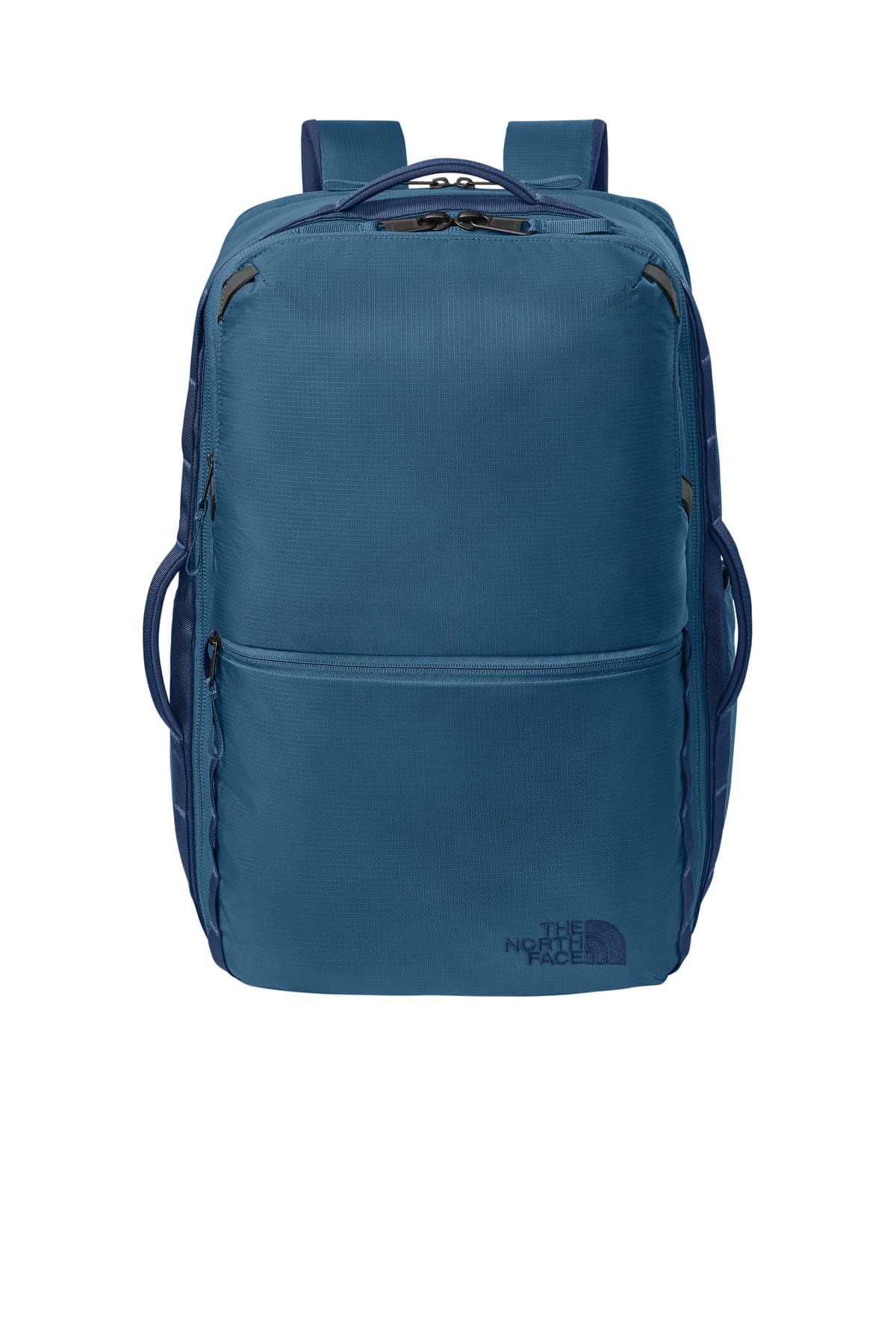
A new hire welcome kit is a branded package that reaches a new employee before or on their first day. A good one combines a few things they'll use every week, such as quality drinkware, a bag and a notebook, with a personal welcome note. Let new hires choose apparel sizes, and ship early enough to arrive before day one.
This guide gives you a checklist of what to include and why, a way to set tiers by role, and the logistics that usually trip teams up: sizing, remote hires and timing. Onboarding is one moment in a longer relationship. For the rest of the year, see our guide to corporate gifts for employees.
What Is a New Hire Welcome Kit For?
A welcome kit tells a new employee that the company was ready for them. It turns an offer letter into something physical, and it sets the tone before the first meeting, the first login or the first commute.
Most kits do three jobs at once:
- Belonging. A well-made item with the company's logo is something people wear, carry or keep on their desk, especially in the first weeks when they're still meeting the team.
- Usefulness. The best items get used every day: a tumbler on the desk, a backpack on the commute, a notebook in the first one-on-one.
- Brand. For many hires, the kit is their first close look at how the company presents itself. A thoughtful box from premium brands says more than a page of values.
A kit isn't the place for work equipment like laptops or headsets. Those follow your IT process. Keep the welcome kit personal, and keep it simple.
What Should You Include in a New Hire Welcome Kit?
A strong onboarding kit has a personal note, one or two everyday essentials, and one standout item, all chosen for quality over quantity. The checklist shows the usual building blocks, why each one earns its place, and which kits it typically belongs in.
| Item | Why it works | Typical tier |
|---|---|---|
| Handwritten or signed welcome note | The most personal piece in the box. A line from the manager or founder makes the kit feel addressed, not issued | Every kit |
| Insulated tumbler or bottle (YETI, Stanley, BrüMate) | Used daily, at home or in the office, and carries the logo well | Every kit |
| Notebook or leather folder | Useful from the first meeting onward, with an understated logo | Every kit |
| Branded apparel: tee, quarter-zip or fleece (Patagonia, The North Face) | The item people show off most, if the fit and color are right | Most kits, with a size chosen by the new hire |
| Backpack or laptop bag (The North Face) | Daily-carry item for hybrid and commuting staff | Mid and senior tiers |
| Temperature-control mug (Ember) | A desk upgrade that remote employees appreciate | Mid and senior tiers, or remote hires |
| Bluetooth speaker or headphones (JBL, Bose) | A standout piece for leadership hires or hard-won roles | Senior and executive tier |
| Small local or team-specific touch | Connects the kit to the office, city or team they're joining | Optional, any tier |
Three things are worth leaving out: cheap filler that fills the box but won't be used, perishable food that may sit on a porch, and anything with a size you had to guess. For more on branding real products well, see our guide to corporate gifts with your logo.
What Are Good Onboarding Kit Ideas?
The best onboarding kit ideas start from how the new hire will work, not from a list of logo items. A commuter, a remote employee and a field technician need different things, so most teams run a shared core kit and swap one or two pieces by role. These five kits cover most companies:
| Kit | Who it suits | What goes in it |
|---|---|---|
| Hybrid commuter kit | Office and hybrid staff | Backpack (The North Face), insulated tumbler (YETI or Stanley), notebook, welcome note |
| Remote desk kit | Fully remote hires | Temperature-control mug (Ember), notebook, a quarter-zip in their own size, welcome note |
| Field and outdoor kit | Site, field and sales roles on the road | Fleece or vest (Patagonia or The North Face), rugged bottle, cooler or bag, welcome note |
| Leadership kit | Managers and executive hires | One standout piece, such as headphones (Bose) or a leather folder, plus the core essentials |
| Early-career and intern kit | Interns, graduates and seasonal cohorts | Tee or hoodie in their own size, bottle, notebook, a small local touch from the office city |
Whatever the mix, quality beats quantity. Searches for "new hire swag kits" often lead to boxes of low-cost items, and those are the pieces that end up in a drawer. Three items a new hire uses every week make a stronger first impression than ten they don't.
How Much Should You Spend on an Onboarding Kit?
The right onboarding budget is one you can repeat for every hire in a role group all year, so set it by tier rather than kit by kit. A one-off splurge for one cohort creates an awkward comparison for the next.
A simple structure most teams can run:
- Core tier: every new employee. The note, drinkware, a notebook and one apparel piece.
- Mid tier: managers or hard-to-fill roles. Add a bag or a desk upgrade.
- Senior tier: leadership hires. One standout premium item instead of more items.
When you compare options, price the whole kit: products, decoration, packaging and shipping to each address. Plan for volume too. Hiring is rarely even across the year, so budget for your busiest months, not an average. Our corporate gift budget benchmarks cover how to size each tier across the employee lifecycle, and our guide to premium brand corporate gifts explains what the name on the label adds.
Should New Hire Kits Include Apparel, and How Do You Handle Sizes?
Yes, most new hire kits should include one apparel piece, because it's the item people wear and show off most. The cleanest way to handle sizes is to let each new hire choose their own size and color instead of guessing for a pre-packed box. Guessed sizes are a common reason welcome apparel ends up unworn or exchanged.
Pre-packed boxes force a trade-off. Stock every size and you tie up inventory in the sizes nobody orders. Stock only the popular ones and some hires get a jacket that doesn't fit on their first day. Asking for a size in the offer paperwork helps, but it adds a step to HR's process and still leaves color and style out.
An always-on onboarding shop removes the guesswork. Each new hire gets one link, picks from a curated selection set for their tier, chooses size and color, and enters their own shipping address. Nothing is packed until they choose. This is the same principle behind letting employees choose their gift at the holidays, applied to a program that runs every week of the year.
Onboarding shop or employee swag store?
Teams searching for an "employee swag store" usually mean one of two things: a shop that stays open so employees can order branded items whenever they like, or a curated selection sent to a defined group. For onboarding, the second is often the better fit, with a budget per hire and a link that goes out with each start date. We compare the two models in pop-up shop vs. company store.
How Do You Ship Welcome Kits to Remote New Hires?
Ship each remote hire's kit directly to their home, and let them enter that address themselves so HR doesn't have to collect it and pass it on. Individual shipping also means each kit leaves when that person is ready, not when a batch fills up.
Transit time is the variable to plan around. As of November 2026, the carriers publish these standard estimates:
| Carrier and service | Published transit time | Notes |
|---|---|---|
| USPS Ground Advantage | 2–5 days (expected) | Alaska, Hawaii and offshore destinations may take longer |
| USPS Priority Mail | 2–3 days (expected) | An expected date, not a guarantee |
| USPS Priority Mail Express | 1–3 days, guaranteed by 6 PM | Refundable if late, with exceptions |
| FedEx Ground | 1–5 business days, contiguous US | 3–7 business days to and from Alaska and Hawaii |
Two practical points. Check whether the hire will be home to receive the package, especially for higher-value kits. And if you hire outside the US, international shipping can be arranged case by case, so ask your gifting expert before you promise a kit abroad. For more on gifting a distributed team, see our guide to gifts for remote employees.
When Should a Welcome Kit Arrive?
A welcome kit should arrive before the first day, ideally in the week before the start date. That way the new hire opens it at home, with time to try things on, and can wear or carry it on day one.
A timeline that works for most teams:
- Offer accepted: HR triggers the welcome link for the right tier.
- Within a few days: the new hire picks their items and enters their address.
- About a week before the start date: the kit ships, with transit time added for the service and the destination.
- First day: the manager mentions the kit in the welcome meeting, which closes the loop.
Start dates that fall right after a holiday need extra margin, because carrier networks are busiest in December and many businesses run reduced schedules over the holidays. If you're planning gifts for current staff at the same time, our guide to corporate holiday gifts covers the seasonal deadlines.
Are New Hire Welcome Kits Taxable?
A welcome kit is generally treated like any other employer gift: the form and value of what's inside decide whether it's taxable to the employee. IRS Publication 15-B (2026) says cash and cash equivalents, such as gift cards, are never excludable as de minimis benefits, whatever the amount.
Low-value tangible gifts given occasionally can qualify as de minimis fringe benefits. Higher-value items usually don't, so plan for payroll to treat the fair market value of a premium kit as wages unless your advisor says otherwise. Work equipment is a separate case: Publication 15-B treats property provided so an employee can do their job as a working condition benefit, to the extent the cost would be deductible as a business expense. That's one more reason to keep IT equipment out of the welcome kit.
We cover each rule, with a quick-reference table, in are employee gifts taxable?
Not tax advice: this is a general summary of federal rules as of November 2026. Confirm how your onboarding kits are reported with your CPA or payroll provider.
How Does an Always-On Onboarding Shop Work?
An always-on onboarding shop is a branded store your team keeps open for new hires: each person receives one link, chooses from a curated selection for their tier, and Idea Tree ships the gift to the address they enter. It replaces the shelf of pre-packed boxes and the size spreadsheet.
Idea Tree Engagement runs these as company stores and corporate gifting pop-up shops. It starts with a 15-minute call. We send you a link where you upload your logo, and within minutes you see it on real products. Our AI platform builds the shortlist and the store for speed, and a dedicated gifting expert curates the final selection with you from 200+ premium brands such as Patagonia, Stanley, Ember, YETI and The North Face. Idea Tree is authorized to sell YETI, Patagonia, Stanley and The North Face with a company logo, subject to each brand's own decoration rules.
Once we have your brief and your logo, your shop is live within 24 hours. From there, Idea Tree handles branding, sourcing, fulfillment and shipping each gift individually, with one consolidated invoice. In a pop-up shop you pay nothing upfront, only for the gifts people choose, and your gifting expert scopes the program around your tiers and hiring volume. See how it works for the full process.
Frequently Asked Questions
What should be in a welcome kit for new employees?
A welcome kit for new employees usually has a personal note from the manager or founder, insulated drinkware, a notebook, and one apparel piece in the hire's own size. Managers and senior hires often get one standout item on top, such as a backpack or headphones. Leave out low-quality filler and anything with a guessed size.
Should new hire kits include apparel? How do companies handle sizing?
Most new hire kits include one apparel piece, such as a tee, quarter-zip or fleece. Companies handle sizing best by letting each new hire choose their own size and color through a link before anything ships, rather than stocking every size or asking HR to collect sizes in the offer paperwork.
What is a good welcome gift for a new employee?
A good welcome gift is something the new hire will use every week, from a brand they recognize, with a personal note from their manager. Insulated drinkware, a quality notebook, a backpack and a well-fitting jacket or fleece are reliable choices. Letting the person choose their own size and color makes apparel far more likely to be worn.
Should a welcome kit be sent before or after the first day?
Before, when possible. A kit that arrives in the week before the start date lets the new hire open it at home and bring it on day one. Ship with enough margin for the carrier's transit time to their address, and add extra time around holidays.
Do remote employees need a different onboarding kit?
The contents can be the same, but the delivery changes. Ship to each person's home address, let them enter it themselves, and consider desk items such as a temperature-control mug. For hires outside the US, international shipping can be arranged case by case, so check with your gifting expert first.
Should every new hire get the same welcome kit?
Most companies use a shared core kit for everyone and one or two higher tiers for managers or senior hires. Keeping each tier consistent all year avoids awkward comparisons between people who started a few months apart.
Can a gift card replace a welcome kit?
It can, but it changes the gift. A gift card carries no brand and nothing to wear or keep, and the IRS treats gift cards from an employer as wages at any amount. A curated selection of branded items gives the new hire choice while keeping the welcome tied to the company.
Sources
Trusted by law firms including Fish & Richardson, Weil, Gotshal & Manges and Bradley.